Welcome to FinSoar! I have for you, an $80 billion fundraiser, and a conviction that has Wall Street drawing new lines:
Alphabet Raises $80 Billion to Fund Its AI Build-Out
Alphabet recently announced that it plans to raise $80 billion in equity to fund its AI infrastructure expansion, in what analysts described as the largest equity fundraising ever. The package includes a $10 billion private placement with Berkshire Hathaway, $30 billion in underwritten public offerings, and $40 billion through an at-the-market stock offering program expected to begin in Q3. Alphabet shares fell as much as 4.4% after Wall Street opened on Tuesday. This fundraiser would overshadow some of the world's largest IPOs. For comparison, Saudi Aramco raised $25.6 billion at its 2019 debut, Alibaba raised $21.8 billion in 2014, and SoftBank raised $21.3 billion in its 2018 Tokyo listing. Alphabet's raise is larger than all three combined. Google's parent said the capital will "fund investments in its world-class AI compute infrastructure to meet its unprecedented customer demand." The company added that demand for its AI solutions is "exceeding the company's available supply." The capex math behind the raise is staggering. Alphabet already guided to $180 billion to $190 billion in capex for 2026, up from a previous estimate of $175 to $185 billion. The company expects 2027 capex to "significantly increase" from there. Alphabet, Microsoft, Meta, and Amazon are expected to pour more than $700 billion combined into capex this year, with Wall Street analysts estimating total AI capex could climb above $1 trillion in 2027. Axios cited a Morgan Stanley estimate that such hyperscaler spend could expand to $4 trillion by 2030. Alphabet also became the first in modern history to issue a 100-year bond. The equity raise signals that even Alphabet's cash flow and debt capacity are no longer sufficient on their own. The Berkshire Hathaway involvement is notable. Warren Buffett's firm has been building an Alphabet position since Q3 2025, and the prior stake was worth about $20 billion, making it one of Berkshire's top holdings, per CNBC. The $10 billion private placement is split evenly between Class A and Class C shares, with Alphabet trading above those prices at announcement — meaning Berkshire received a discount to market. In other AI news, Anthropic filed confidentially for a US IPO on Monday at a $965 billion valuation, having overtaken OpenAI as the world's most valuable startup. OpenAI and SpaceX are also scheduled to go public this year. Alphabet is pulling forward capital before the AI IPO wave drains liquidity from public markets. The bet is that the cost of under-investing in AI is greater than the cost of over-investing. |
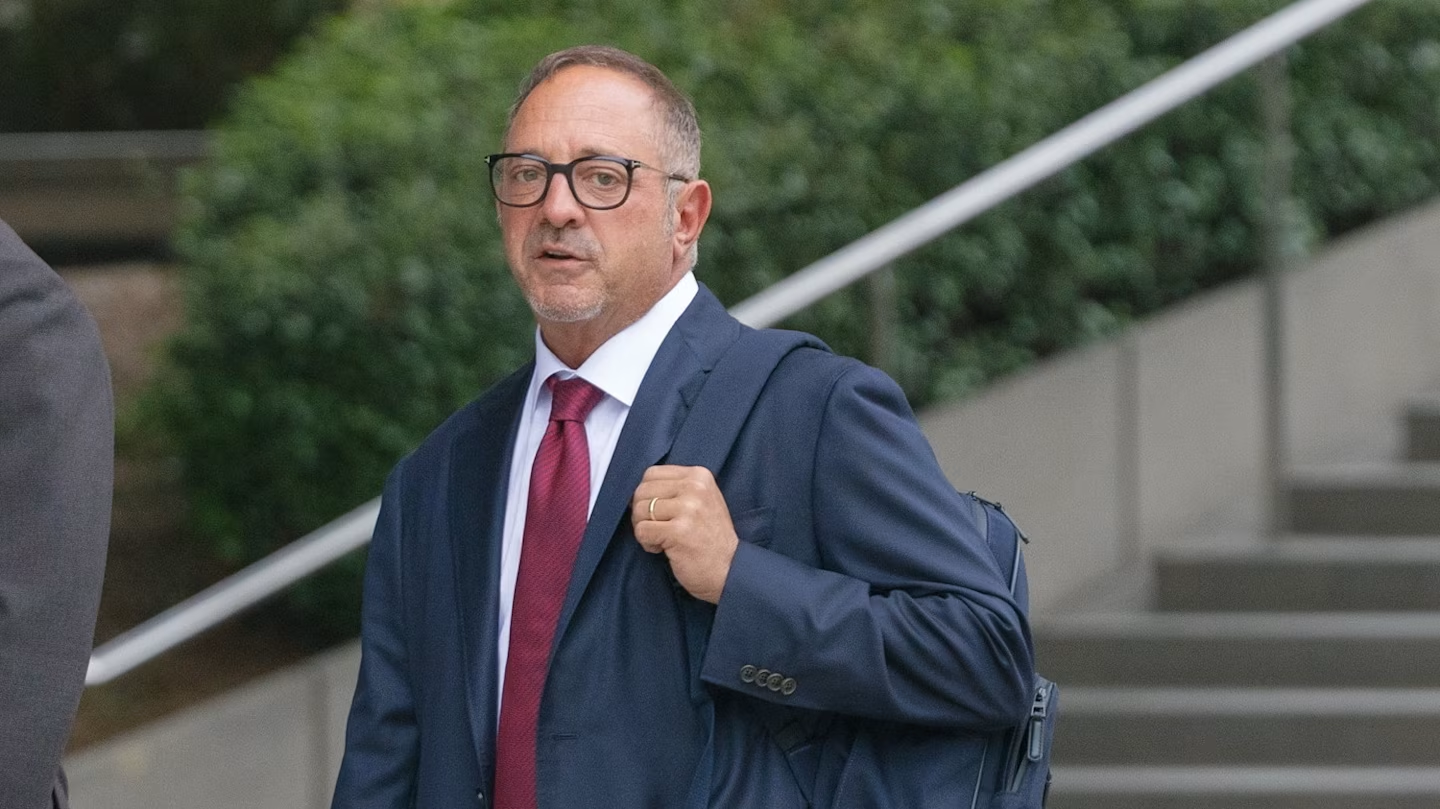
Short-Seller Andrew Left Convicted of Securities Fraud
A federal jury in Los Angeles convicted prominent short-seller Andrew Left of securities fraud, a verdict that could reshape how activist investors publish commentary on stocks. The founder of Citron Research was found guilty on 13 of 17 counts, including one count of engaging in a securities fraud scheme and 12 counts of securities fraud. He was acquitted on four counts and faces a maximum of 25 years in prison when sentenced August 31. Left built his reputation as an activist short-seller who published scathing reports accusing public companies of mismanagement or fraud. He gained credibility over a decade ago when he accused pharmaceutical group Valeant of accounting irregularities and was vindicated. He also bet against China Evergrande, Beyond Meat, and famously shorted GameStop during the 2021 retail trading frenzy. Prosecutors said Left would build a position in a stock, publish market-moving commentary with sensationalized headlines and a target price, then quickly close his own position without disclosing it to the public. The trades spanned stocks including Nvidia, Tesla, American Airlines, Roku, and cannabis company Cronos Group. Prosecutors said Left made more than $20 million in profits between 2018 and 2023. The government leaned on Left's private messages to establish intent. In one message about his Cronos short, Left said that once he realized the stock was owned by retail investors trading on his commentary, profiting was like "taking candy from a baby." Prosecutors also alleged Left gave hedge funds advance notice of upcoming Citron reports in exchange for a cut of their trading profits, and concealed the payments using fake invoices, per the FT. Left took the unusual and risky step of testifying in his own defense. His attorney Eric Rosen told the jury the government "wants you to convict a trader for trading like a trader." Left argued that requiring disclosure of personal trading would have a "chilling effect" on "the flow of truthful information to the markets." Judge Virginia Phillips berated Left's lawyers after he disappeared from the courthouse during deliberations and threatened to take him into custody. Some experts say the conviction could chill the business further. Yale School of Management accounting professor Frank Zhang told Bloomberg the verdict "will scare them into silence." Left framed his conviction as a free speech issue and signaled an appeal. "It's a sad day for free speech," he said, calling the prosecution "government over-reach." He noted the timing, telling reporters it was "chilling" ahead of the SpaceX IPO, "the most talked about stock in the history of the stock market." For Wall Street, the verdict draws a new line between publishing an opinion and manipulating a market — and the distinction now carries criminal liability. |
That’s all for today!/
