Welcome back to FinSoar! I have three interesting bits of news to reflect on:
The U.S. job market seems like it’s snapping into shape with 178,000 jobs added.
The Artemis II mission to the moon has successfully launched.
Someone stole 12 Tons of KitKat.
The US Jobs Market Beat Expectations, but Don't Get Too Comfortable
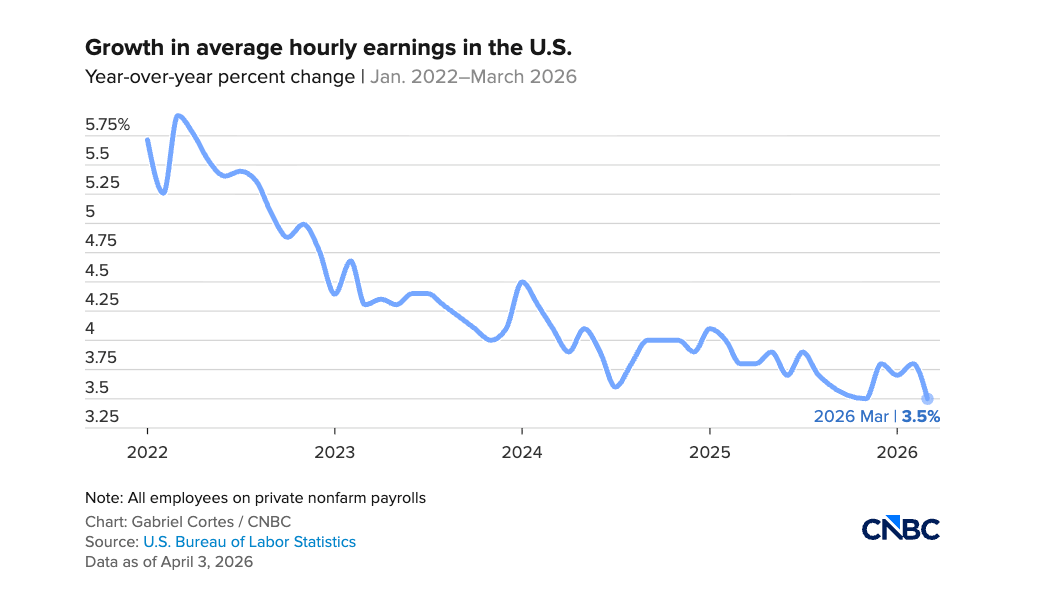
The US labor market snapped back in March. Employers added 178,000 jobs, blowing past consensus estimates of around 60,000 and reversing the 133,000 jobs lost in February. The unemployment rate ticked down to 4.3%. On the surface, it looks like a strong report. Look closer and the picture is more complicated. Health care drove more than half the gains, adding roughly 76,000 jobs. About half of that came from Kaiser Permanente workers in California and Hawaii returning after a strike that had weighed on February's numbers. Construction added 26,000 jobs, helped by mild spring weather. Manufacturing posted its strongest month since late 2023. The federal government, meanwhile, shed 18,000 more jobs. The unemployment rate's decline came with a catch. Nearly 400,000 people left the labor force in March. The participation rate fell to 61.9%, its lowest level since 2021. Fewer people looking for work mechanically lowers the unemployment rate, without reflecting genuine improvement. Wages also disappointed. Average hourly earnings rose just 0.2% month-over-month and 3.5% year-over-year, the slowest annual pace since May 2021. That matters because gasoline prices have now crossed $4 a gallon following the US-Israel war with Iran, and softer wage growth leaves consumers with less cushion to absorb higher energy costs. The labor market has been in what the WSJ describes as a "low-hire, low-fire" stasis. People with jobs are holding onto them. People looking for work are struggling to find it. The hiring rate in February fell to 3.1%, matching its pandemic-era low. The three-month jobs average sits at just 68,000. The BLS surveys were conducted in the second week of March, when the war was barely two weeks old. Economists expect the real impact on hiring to show up in the months ahead, as businesses process higher energy costs and uncertainty about demand. For now, the Fed is firmly on hold, with markets pricing virtually no rate cuts this year. March was a genuine rebound. It just may be the last clean data point for a while. |
Humans Are Heading Back to the Moon, and The Price Tag Is Staggering
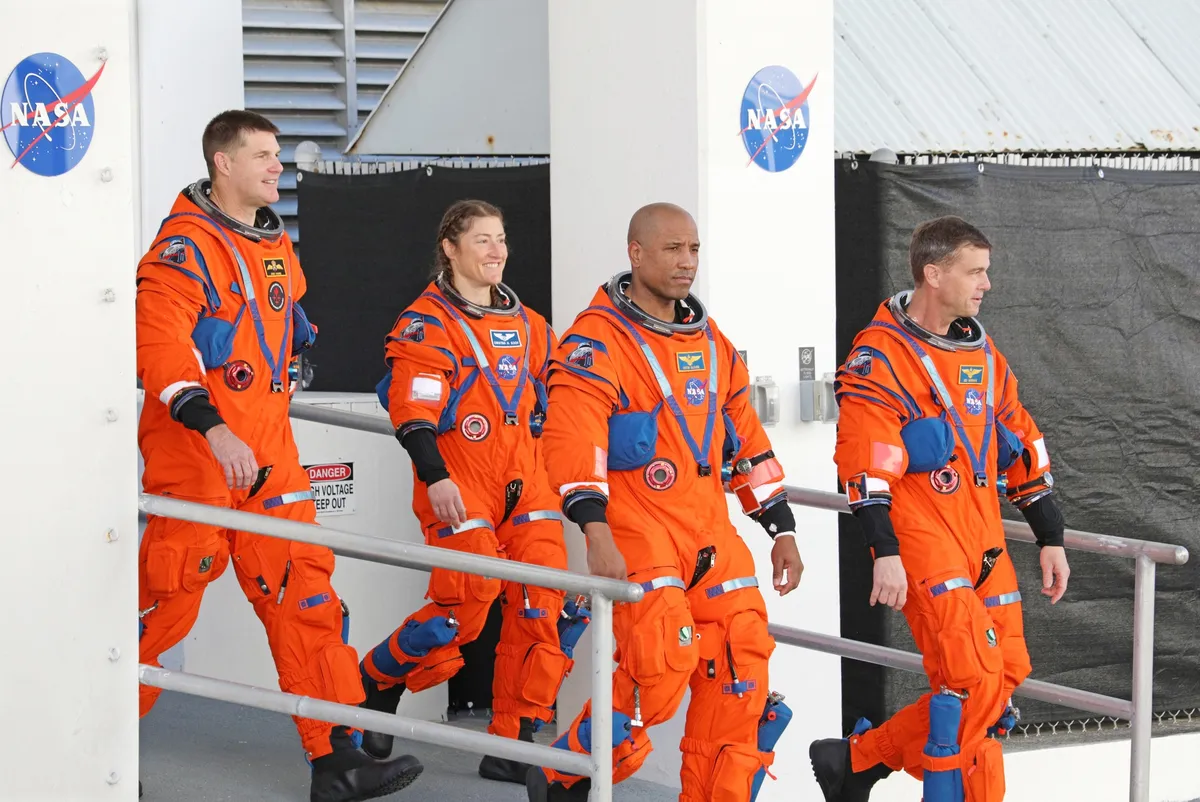
For the first time in 54 years, humans are on their way to the moon. NASA's Artemis II mission launched from Kennedy Space Center on April 1, sending four astronauts on a 10-day loop around the moon and back. The crew — Reid Wiseman, Victor Glover, Christina Koch, and Canadian Jeremy Hansen — completed their translunar injection burn on Thursday, breaking free of Earth's orbit for the first time since Apollo 17 in 1972. The mission will not land on the moon. That comes later. Artemis II is a test flight, designed to prove that the Orion capsule can safely carry humans through deep space. If all goes to plan, the crew will travel 252,799 miles from Earth, surpassing the distance record set by Apollo 13 in 1970. A lunar flyby is scheduled for Monday, April 6, when the crew will spend six hours photographing the lunar surface, including portions of the far side never directly observed by humans. The mission also sets several firsts. Glover becomes the first Black person to travel into deep space. Koch is the first woman on a lunar mission. Hansen is the first non-American. The numbers behind Artemis are harder to celebrate. The program is expected to cost $93 billion in total, with each of the first four launches alone costing more than $4 billion. The Space Launch System rocket was built by Boeing, and the Orion capsule by Lockheed Martin. The program was first planned for 2017 and has been plagued by delays and cost overruns ever since. NASA is now racing against China, which aims to land its own astronauts on the moon by 2030. NASA Administrator Jared Isaacman acknowledged last week that China could beat the US there. The agency's target for a crewed lunar landing is 2028, with SpaceX and Blue Origin both developing landers. Experts remain skeptical about that timeline. The stakes are familiar. Apollo cost roughly $300 billion in today's dollars. Artemis may cost less in relative terms, but it has taken longer and moved slower. Wednesday's launch was a genuine milestone. The harder part is still ahead. |
Someone Stole 12 Tons of KitKats, and Nestlé Turned It Into a Marketing Campaign
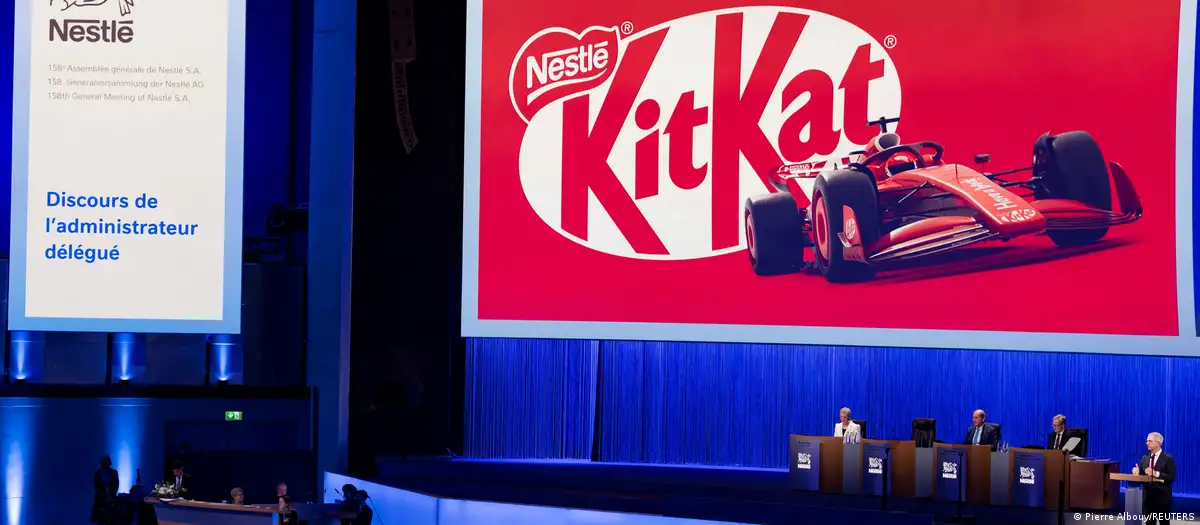
On March 28, a truck carrying 413,793 KitKat bars left a factory in central Italy bound for Poland. It never arrived. The truck and its entire cargo — roughly 12 metric tons of chocolate — remain missing. The stolen bars were not ordinary KitKats. They were part of KitKat's Formula 1 range, a molded chocolate car with a crispy wafer and cereal filling, launched as part of the brand's first season as F1's official chocolate partner. The route from Italy to Poland spans roughly 800 miles. No one knows where along the route the truck disappeared. Nestlé could have said nothing and let authorities handle it quietly. Instead, the company went public with the theft and cracked a joke while doing it. "We've always encouraged people to have a break with KitKat," the company said in a statement, "but it seems thieves have taken the message too literally." Within days, KitKat launched a "Stolen KitKat Tracker" on X, inviting consumers to check the 8-digit codes on any KitKat they buy against the stolen batch. The post racked up nearly 100,000 likes. Other brands moved fast. Domino's Pizza UK announced a "KitKat pizza." Charlotte FC offered 413,000 free KitKats at an upcoming match. Ryanair posted a cartoon plane with five KitKat bars in its mouth. Each brand got a slice of the attention at minimal cost. PR consultants have called it a masterclass in crisis communications, drawing comparisons to KFC's 2018 chicken shortage, when the chain ran a full-page ad rearranging its initials to read "FCK." Both cases involved brands getting ahead of bad news with self-aware humor. The broader point Nestlé was making deserves attention. The company cited a joint report from the International Union of Marine Insurance and the Transported Asset Protection Association, which flagged an escalating rise in cargo theft and freight fraud across Europe. Trucks, warehouses, and supply chains are increasingly being targeted with more sophisticated methods. For Nestlé, the theft will not affect supply, and each bar can be traced by its batch code. The financial hit is modest. The PR value, on the other hand, is harder to put a number on. |
That’s all for today!/
