Welcome to FinSoar! I have a Pizza Hut Sale, a potential final end to the Iran War, and a blockbuster day for the SpaceX IPO lined up for you to read:
The Iran Deal Is Signed, but the Costs Will Linger for Months
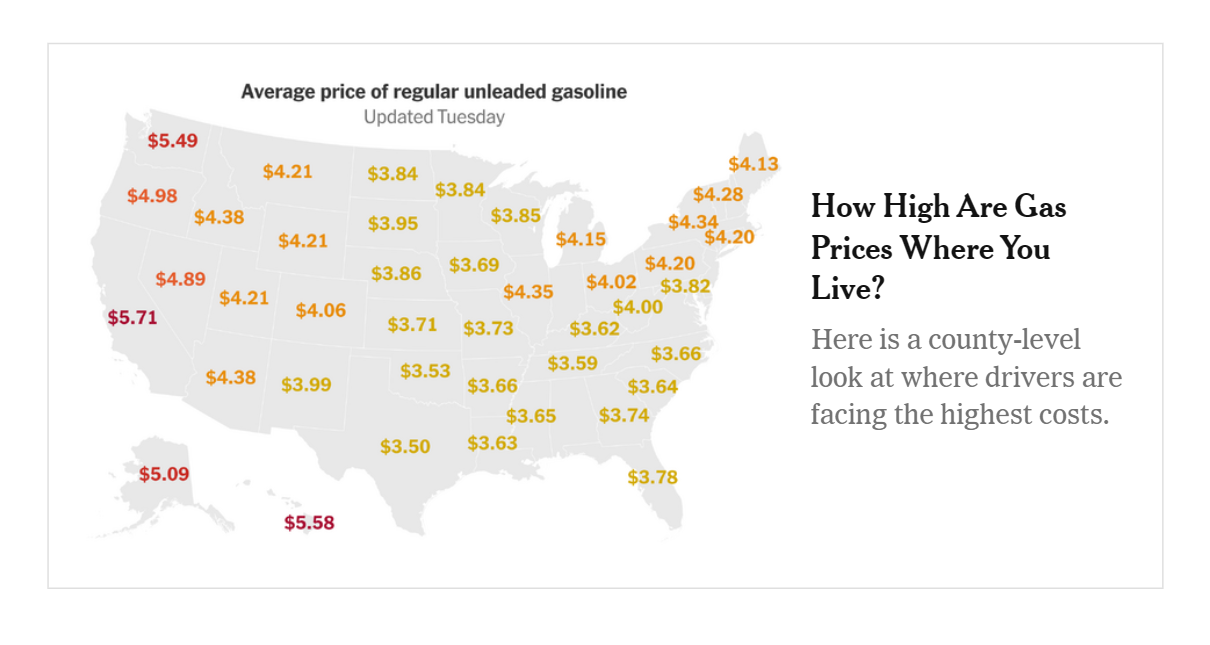
A preliminary deal to end the US-Israel war against Iran sent oil to three-month lows this week, but consumers should not expect quick relief at the pump or the grocery store. The agreement, expected to be signed on Friday in Geneva, reopens the Strait of Hormuz and extends the ceasefire for another 60 days while both sides negotiate a final deal. Oil fell but stayed elevated. Brent crude dropped roughly 3% Tuesday to about $80 a barrel, the lowest since early March, with WTI near $78. Both remain more than 10% above pre-war levels, since hundreds of ships are still stranded in the Persian Gulf. US gas averaged $4.04 a gallon Tuesday, up 36% since the war began February 28. Analysts call the pattern "up like a rocket, down like a feather," as station owners are slow to cut prices after being squeezed on the way up. MIT's Christopher Knittel warned that destroyed Middle East infrastructure and the risk premium on Hormuz transit "might actually keep us from ever getting back to prewar levels." Prices may not hit pre-war levels until 2027, even if the ceasefire holds. More than 500 ships await passage, US strategic reserves sit at their lowest since 1983, and summer travel demand adds pressure. Some forecasters see prices climbing, not falling — pent-up Asian demand and a scramble to refill reserves could push Brent back above $100 by July or August. Food costs may never reset. The war disrupted urea and fertilizer that flow through Hormuz, and elevated grocery prices often become "the new baseline." Ground beef is up about 12% year over year, and tomatoes 40%. More than 3,300 have been killed in Iran and over 3,700 in Lebanon, with the UN estimating the war could push 32 million people into poverty, largely through energy and fertilizer disruptions. Goldman Sachs estimates US growth will run 0.5 percentage points lower because of the war. The shipping industry also remains wary. HSBC analysts said they expect shipowners "to stay cautious until a deal proves durable," mine clearance is done, and insurance costs fall. Clearing trapped vessels could take months. |
SpaceX Tops Amazon and Microsoft on Its Third Trading Day
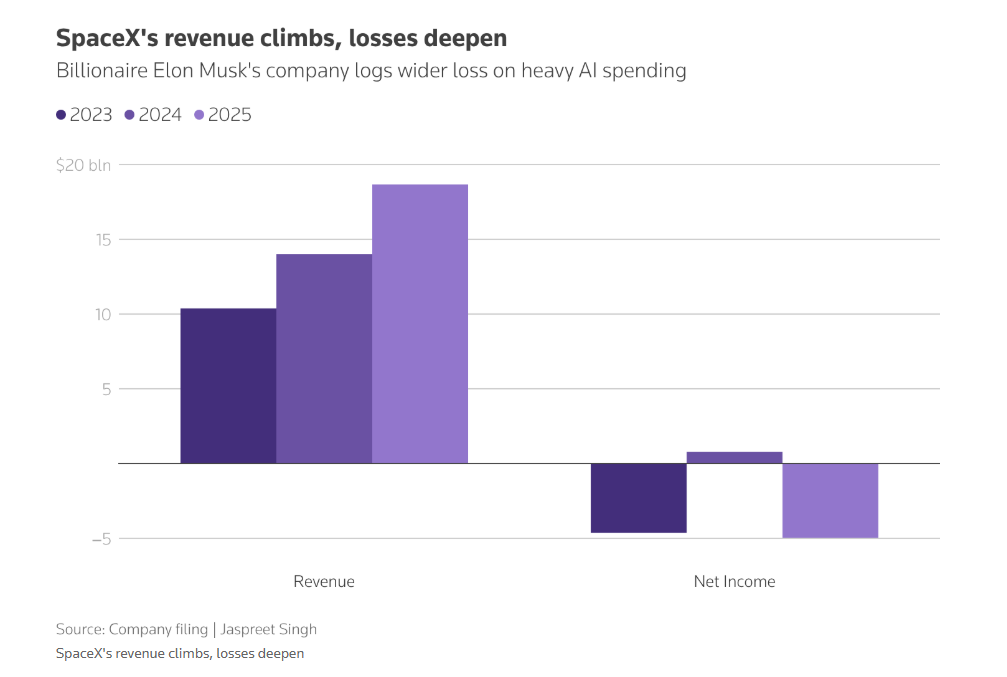
SpaceX shares soared again on Tuesday, lifting Elon Musk's rocket and AI company above Amazon and Microsoft by market value just three sessions into its public life. The stock jumped as much as 14% to $219.29 in early trading, giving SpaceX a peak market value of about $2.94 trillion, roughly $1 billion above Microsoft and $283 billion ahead of Amazon. After pricing at $135 in last week's record IPO, shares gained 19% Friday and 20% Monday — the combined $760 billion increase exceeds the entire value of Intel. SpaceX confirmed it is buying Anysphere, the startup behind AI coding agent Cursor, for $60 billion in all stock, a deal first floated in April and expected to close in the third quarter. The purchase strengthens xAI in one of the few areas where AI is already generating real business revenue. Paying in shares lets SpaceX exploit its towering valuation, giving up a relatively small slice of equity for a $60 billion target. Billionaire Bill Ackman noted the deal "costs materially less in dilution" because of SpaceX's high valuation. Cursor brings scale and data to SpaceX. The company has roughly $2.6 billion in annualized B2B revenue and was recently in talks for a funding round valuing it at $50 billion. SpaceX had said Cursor's access to developers' coding requests and design decisions could help improve models like Grok. Its main constraint had been a lack of computing power. The valuation rests on AI ambition. SpaceX's AI business generated just $3.2 billion in 2025 sales, though it now has $26 billion in annual revenue from renting computing power to Anthropic and Google. Entering Tuesday, shares traded at nearly 40 times estimated 2027 sales. Microsoft is expected to generate 2027 sales of $420 billion against SpaceX's $65 billion. Musk has said $1 trillion in 2030 sales is possible, a 15-fold jump, split between Starlink's broadband and space-based AI data centers. Musk's net worth reached $1.3 trillion by Monday's close, rising nearly $165 billion in a single day — more than the entire net worth of the world's ninth-richest person. |
Yum! Brands Sells Pizza Hut for $2.7 Billion
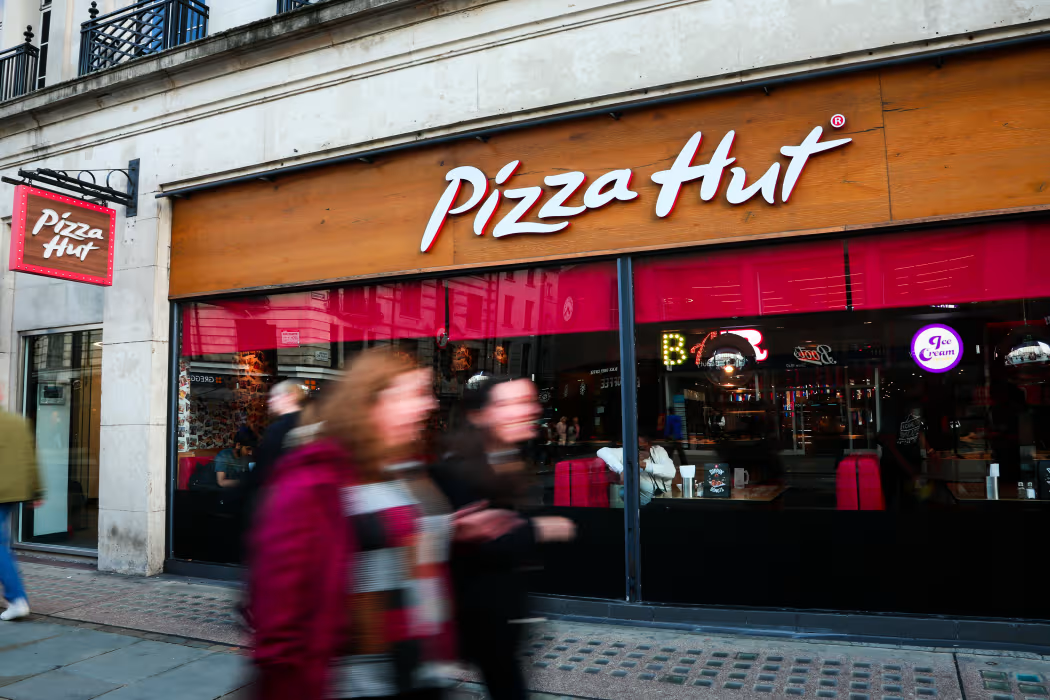
Yum! Brands have agreed to sell Pizza Hut for $2.7 billion in two deals, ending decades of ownership of a chain that had become the weak link in its portfolio. Private equity firm LongRange Capital is buying Pizza Hut outside mainland China for about $1.5 billion, while Yum China will acquire the mainland China business for roughly $1.2 billion. Yum shares rose nearly 2% Tuesday. Pizza Hut spent years stuck with large dine-in restaurants and outdated stores as carryout and delivery took over. Domino's overtook it as the world's biggest pizza chain in 2017, and third-party apps like DoorDash and Uber Eats siphoned off more orders. Last year, Yum's global sales rose 5%, but Pizza Hut's sales fell 2%. In February, Yum announced plans to close 250 US locations. The chain had nearly 20,000 restaurants across 108 countries at the end of 2025, with the US representing about 40% of system sales and China roughly 20%. Macro pressures made the timing worse. Reuters noted that rising inflation and elevated commodity costs have weighed on US pizza giants, with growing adoption of GLP-1 weight-loss drugs pushing consumers toward healthier food. Yum expects about $2.3 billion in net proceeds after taxes and fees, and plans to plow much of it into technology. The company's board also approved a $4 billion addition to its share buyback program. Yum's proprietary "Byte by Yum!" platform, backed by partnerships with Nvidia, AWS, and Microsoft, targets drive-through ordering, call centers, and restaurant performance. Yum will keep providing that software to Pizza Hut for a fee. |
That’s all for today!/
