Welcome to FinSoar! We’re ending the weekend with a Japanese intervention to stabilise the Yen as oil shocks rumble through the region, the future of oil prices as the Iran Crisis continues, and Elon Musk’s testimony against OpenAI.
Tokyo Steps In as the Yen Buckles Under Oil Pressure
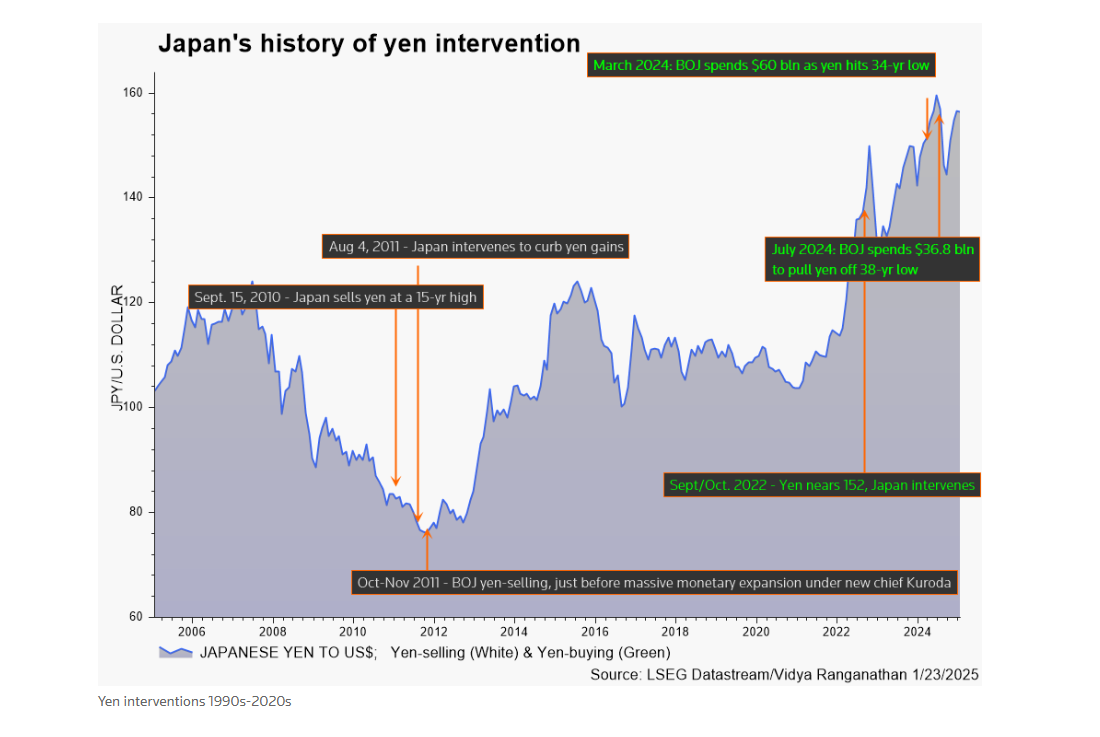
Japan intervened in currency markets on Thursday for the first time in nearly two years, sending the yen surging as much as 3% in a single session and marking its biggest daily gain since December 2022. According to Reuters, Japanese officials confirmed the move on condition of anonymity. The dollar fell to 155.5 yen after touching 160.725 earlier in the session, its strongest level since July 2024. The yen drifted weaker again on Friday to around 156.50, then jumped suddenly once more to a session low of 155.60, suggesting authorities remain active. Finance Minister Satsuki Katayama warned earlier Thursday that the time for "decisive action" was approaching. Top currency diplomat Atsushi Mimura escalated quickly, telling reporters "this is our final evacuation warning to markets," and adding that "extremely speculative" moves were increasing. Mimura also said he was in constant touch with Washington, a signal the Treasury had given Tokyo a green light. The Financial Times reported that investors had built the largest short yen position in nearly two years, betting that neither rate hikes nor verbal warnings would arrive in time. Japan imports nearly all of its energy, with 90% of its crude oil transiting the Strait of Hormuz, which Iran has effectively closed. Brent crude was up 1.4% Friday at $111.90 a barrel, with oil prices roughly 80% higher year to date. Higher oil means a bigger import bill, faster inflation, and weaker growth for an energy-importing economy. Add the Bank of Japan's slow normalization, with rates held at 0.75% on Tuesday despite three of nine board members proposing a hike, plus Prime Minister Sanae Takaichi's expansionary fiscal plans, and the yen has been hit from every angle. The dollar has gained roughly 15% against the yen over three years. Whether the intervention works depends on what comes next. Japan spent roughly $100 billion across multiple operations in 2024, and according to Reuters, even the record 9.79 trillion yen ($62 billion) deployed in April-May 2024 only bought temporary relief. Scotiabank's Shaun Osborne noted that 2022 and 2024 interventions corrected dollar strength but required more than one round. Mizuho economist Yusuke Matsuo wrote Friday that as long as Middle East tensions persist, the environment remains conducive to a weaker yen. The next real catalyst is a likely BOJ rate hike in June. Until then, Tokyo has drawn its line at 160. |
Oil's $126 Spike Tests the Pain Threshold
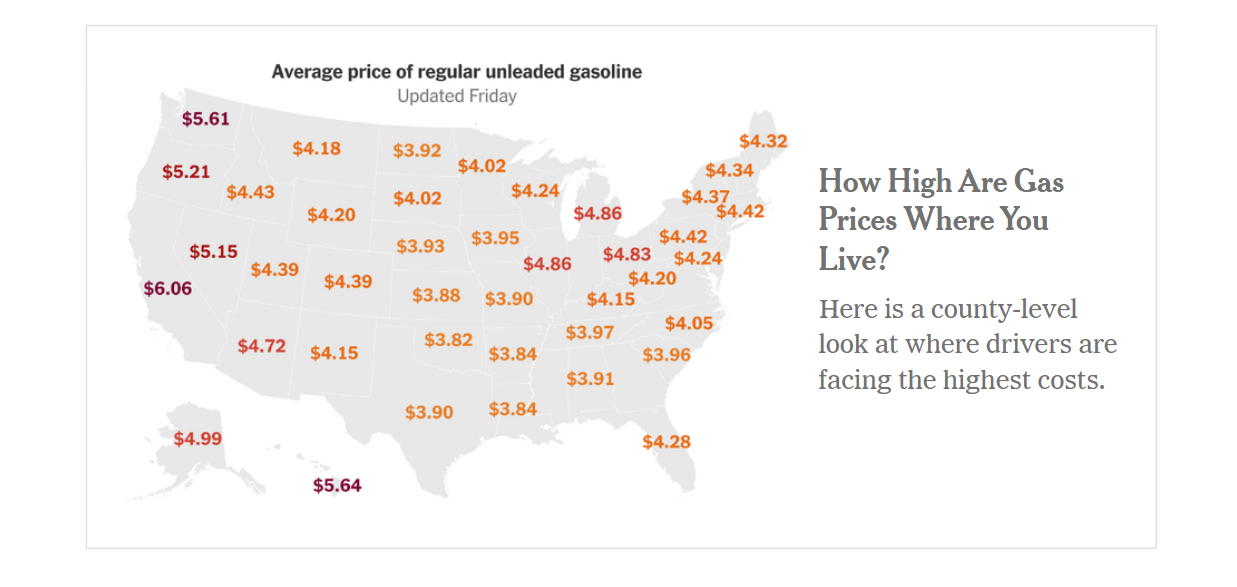
Oil prices ripped to four-year highs this week before whipsawing back, capping a wild month that left Brent crude up over 25% from its mid-April lows. The international benchmark touched $126.41 a barrel on Thursday, the highest level since March 2022, before falling back to around $114. WTI crude eased to roughly $105. Brent was poised for a 5.7% weekly gain and now sits at $111.29, compared with about $65 before the US and Israel began strikes on Iran on February 28. The proximate trigger was an Axios report that the US military is preparing to brief Trump on a wave of "short and powerful" strikes on Iran, including infrastructure targets and a possible operation to seize part of the Strait of Hormuz. The BBC reported the Pakistan-brokered ceasefire that has held since April 8 is fraying, with Iranian Foreign Ministry spokesperson Esmaeil Baghaei conceding quick results were unrealistic. Daily oil tanker transits through the strait have plunged to single digits since the war began. The IEA has called it the largest supply disruption in history. The macro spillover is broadening. The S&P 500 still ended April at a record high, up over 10% for the month on strong tech earnings and AI-driven capex. Alphabet, Amazon, Microsoft, and Meta together spent $130 billion on data centers in the latest quarter. However, US gasoline hit a four-year high of $4.30 a gallon, up 27 cents in a week. The World Bank estimates the war will push energy prices up 24% this year. Bank of America notes that the recent rise in pump prices has already absorbed about half of the larger tax refunds Americans received this year. Eurozone GDP grew just 0.1% in Q1. The Fed, ECB, and Bank of England all held rates steady this week, with Powell telling reporters policymakers had to be "very cautious" given the uncertainty. The bull case for prices keeps getting more aggressive. HFI Research told Business Insider that Brent could top $150 a barrel as US Strategic Petroleum Reserve buffers run out within eight weeks and panic buying takes hold across Asia. The firm pegs the global supply shortage at roughly 13 million barrels a day — three times worse than the 2008 crisis demand collapse. China holds the world's largest strategic reserve but is hoarding rather than releasing. Trump has reportedly asked US oil executives to find ways to extend the Iranian port blockade for months. UN Secretary-General Antonio Guterres warned that if the disruption drags past mid-year, global growth falls, inflation rises, and tens of millions more people get pushed into poverty. The trade now hinges on a single binary: either talks restart and prices unwind, or escalation pushes crude into territory the global economy hasn't tested in nearly two decades. |
Musk's "Stole a Charity" Pitch Meets Combative Cross-Examination
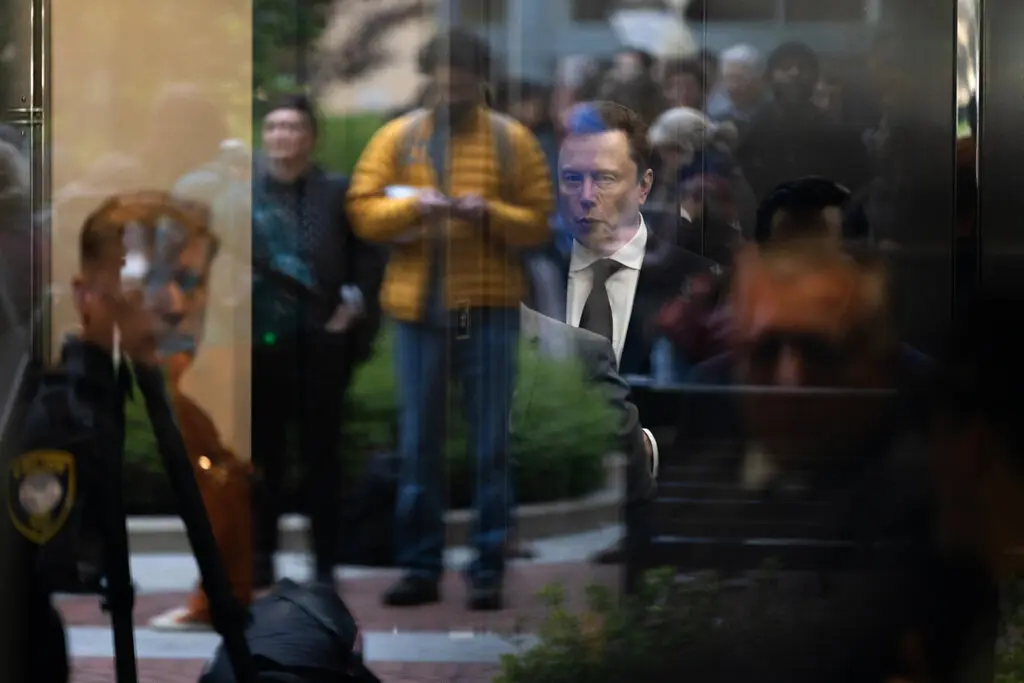
Elon Musk wrapped up three days of testimony Thursday in his lawsuit against OpenAI, Sam Altman, and Greg Brockman, ending a heated stretch of cross-examination that produced sharp exchanges and a striking admission about how he handled the company's pivotal 2017 restructuring documents. According to Reuters, Musk told the court he did not read the "fine print" of a term sheet Altman forwarded about converting OpenAI from a nonprofit to a for-profit overseen by a nonprofit. "I didn't read the fine print, just the headline," he testified, while insisting Altman had reassured him OpenAI would remain a nonprofit. The financial stakes are sweeping. Musk is seeking $150 billion in damages, with proceeds going to OpenAI's charitable arm, and wants the court to unwind the for-profit conversion, remove Altman and Brockman from leadership, and remove Altman from the board. He is also suing Microsoft for aiding and abetting the alleged breach of charitable trust. The trial began Monday in Oakland and is expected to run for several weeks. As the New York Times noted, the jury's decision could shift the balance of power across the AI industry, with OpenAI valued at roughly $730 billion to $850 billion and reportedly preparing for an IPO that could approach $1 trillion. OpenAI's lead counsel William Savitt has built a counter-narrative that Musk knew about and supported the for-profit plans, and only sued because he failed to win control. The Wall Street Journal reported that Savitt got Musk to acknowledge using OpenAI to train xAI models, contrasted OpenAI's safety commitments against the absence of similar pledges from xAI, and pressed Musk on whether he knew that OpenAI's nonprofit subsidiary still has sole power to appoint and remove board directors of the for-profit. "I don't know everything they've done," Musk replied. The exchanges turned visibly tense. Musk accused Savitt of asking questions "designed to trick me," and the BBC reported the judge had to admonish Savitt for not letting Musk finish answers. Judge Yvonne Gonzalez Rogers also moved to limit the scope of the dispute. According to the Guardian, she struck Musk's repeated "you can't steal a charity" line from the record, refused to admit testimony about AI extinction risk, and pointedly noted the irony that Musk runs xAI in the same space he warns about. After Musk left the stand, his longtime fixer Jared Birchall testified that he sent roughly 60 contributions totalling about $38 million to OpenAI between 2016 and 2020. The trial resumes Monday with Brockman expected to take the stand. If Musk wins, OpenAI's IPO timeline implodes and xAI gets a structural advantage. If OpenAI wins, the path to a trillion-dollar listing reopens. |
That’s all for today!/
